

OEM vs ODM: A B2B Guide for Choosing Chinese Scent Machine Suppliers
Keywords: OEM vs ODM scent machine, OEM scent machine manufacturer China, ODM scent diffuser supplier, Chinese scent machine manufacturer, custom scent diffuser manufacturer, private label scent machine, commercial scent machine OEM, commercial scent diffuser ODM, waterless scent machine manufacturer, two-fluid atomization scent machine, custom fragrance diffuser, scent marketing equipment supplier, scent machine factory China, aroma diffuser OEM supplier, fragrance machine private label, scent machine product development, OEM ODM manufacturing China, commercial fragrance diffuser factory, scent machine customization, B2B scent machine sourcing, custom HVAC scent machine
TLDR: OEM or ODM — Which Is Better for Your Scent Machine Business?
When sourcing commercial scent machines from China, one of the first decisions is whether to work with an OEM or ODM manufacturer.
The difference is straightforward:
- OEM (Original Equipment Manufacturing): You provide your product design, technical specifications, or existing product requirements, and the manufacturer produces the equipment according to the agreed specifications.
- ODM (Original Design Manufacturing): The manufacturer provides an existing product design or develops a product based on your requirements, which you can customize and sell under your own brand, subject to the agreed design and intellectual property arrangements.
Neither option is automatically better. The right choice depends on your business model, product development resources, budget, technical requirements, and long-term plans.
For B2B buyers sourcing scent machines from China:
| Your Business Situation | Potentially Better Option |
|---|---|
|
You already have a complete product design |
OEM |
| You have your own technical drawings and specifications | OEM |
|
You want to launch a private-label scent machine using an existing design |
ODM |
|
You need a product adapted from a manufacturer’s existing platform |
ODM or customized OEM, depending on the agreement |
|
You want to develop a completely new machine |
Custom OEM/ODM development, with clearly defined responsibilities |
| You want to test a market before investing heavily in product development | Existing ODM product with limited customization |
The most important point: Do not choose a supplier based only on whether it offers OEM or ODM. Choose a manufacturer that can understand your requirements, deliver consistent quality, communicate technical limitations honestly, and support your business after delivery.
1. What Do OEM and ODM Mean in Scent Machine Manufacturing?
OEM and ODM are common manufacturing models in international B2B trade. However, suppliers sometimes use these terms differently, so buyers should always confirm what is included in the actual agreement.
What Is OEM Manufacturing?
OEM stands for Original Equipment Manufacturing.
In a typical OEM arrangement, the buyer provides the product design, technical drawings, specifications, or other requirements. The manufacturer is responsible for producing the product according to the agreed documents and quality standards.
For example, a scent marketing company may already have:
- Its own scent machine appearance.
- Product dimensions and structural drawings.
- Electronic control requirements.
- Pump and atomization specifications.
- Fragrance bottle capacity.
- Branding and packaging requirements.
- Performance and testing standards.
The Chinese manufacturer then produces the equipment according to the agreed specifications.
OEM manufacturing is particularly suitable for companies that already have product development experience or own a defined product design.
However, having a drawing does not automatically mean that a product is ready for mass production. The manufacturer may still need to evaluate materials, assembly methods, component availability, manufacturing feasibility, and product testing.
What Is ODM Manufacturing?
ODM stands for Original Design Manufacturing.
In a typical ODM arrangement, the manufacturer provides an existing product design or develops a product based on the buyer’s requirements.
The buyer may select an existing model and customize certain features, such as:
- Logo and brand identity.
- Housing color and surface finish.
- Fragrance bottle capacity, where the platform supports it.
- Control functions.
- App interface or language.
- Packaging.
- Accessories.
- Certain structural or electronic features.
For example, an overseas distributor may want to launch its own commercial scent machine brand but does not have an engineering team.
Instead of developing a machine from the beginning, the distributor can select a suitable existing model from a manufacturer and customize it to fit its market.
This can reduce the amount of development work required compared with a completely new product project.
However, customization scope, development costs, MOQ, ownership of modifications, and exclusivity must be confirmed before the project begins.
2. OEM vs ODM: Key Differences at a Glance
| Comparison | OEM | ODM |
|---|---|---|
|
Product design |
Usually provided by the buyer | Usually provided or developed by the manufacturer |
|
Engineering responsibility |
Defined according to buyer’s specifications and agreement | Manufacturer generally takes a larger design role |
|
Product customization |
Based on buyer’s drawings and requirements | Based on existing designs or agreed development scope |
|
Initial development work |
May be substantial if the design is new | Often lower for existing products |
|
Tooling |
May be required for buyer-specific designs | May use existing tooling or require new tooling |
|
Product differentiation |
Can be highly customized | Depends on the customization scope |
|
Time to market |
Depends on design readiness and complexity | Often faster when using an existing platform |
|
Intellectual property |
Ownership and licenses must be clearly defined | Existing design ownership must be clarified |
|
Best suited for |
Brands with defined product designs | Brands seeking a manufacturer’s design and engineering support |
Important: OEM and ODM are business models, not guarantees of product quality, factory capability, or ownership rights. The actual contract and project responsibilities matter more than the label.
3. Which Manufacturing Model Is Right for Your Business?
The best model depends on what you already have and what you want to achieve.
Option A: Choose OEM If You Already Have Your Own Product Design
OEM may be the better choice if your company already has:
- A developed scent machine design.
- Technical drawings.
- A defined bill of materials (BOM).
- Electronic and mechanical specifications.
- Required performance standards.
- A product testing procedure.
- Brand-specific packaging and labeling requirements.
For example, an established fragrance equipment brand may want to transfer production to a Chinese manufacturer to improve manufacturing efficiency or sourcing flexibility.
In this situation, the manufacturer needs to demonstrate that it can understand the drawings, source suitable components, control production, and maintain product consistency.
Questions to Ask an OEM Manufacturer
- Can you manufacture according to our drawings and specifications?
- Can you review the design for manufacturing feasibility?
- Can you support component sourcing?
- How do you control changes to the BOM?
- What incoming inspection and production testing do you perform?
- Can you provide samples before mass production?
- How do you manage defective products and corrective actions?
- Can you support future product revisions?
The key is to find a manufacturer that can translate technical requirements into stable mass production—not simply one that agrees to copy a drawing.
Option B: Choose ODM If You Want to Launch Your Own Brand More Quickly
ODM is often suitable for:
- Amazon sellers.
- E-commerce brands.
- Household fragrance brands.
- Commercial scent marketing companies.
- Equipment distributors.
- Wholesalers.
- Businesses entering the scenting market for the first time.
You may already know your target customers and market positioning but lack the technical team to design a scent machine.
An ODM manufacturer can help you select an existing product platform and determine which features can be customized.
For example, you may want:
- A premium aluminum scent machine for high-end residential customers.
- A commercial wall-mounted model for hotels.
- A floor-standing machine for large retail spaces.
- An HVAC-connected machine for commercial buildings.
- A compact device for cars or smaller indoor spaces.
Rather than designing everything from the beginning, you can discuss existing models and identify the modifications needed for your business.
Questions to Ask an ODM Manufacturer
- Which existing models are suitable for our target market?
- Which parts can be customized?
- What is the MOQ for logo, color, and packaging customization?
- Can the machine’s functions or control system be modified?
- Are new molds or tooling required?
- Who owns the existing design and any newly developed features?
- Can the customized product be exclusive to our company?
- What are the development costs and estimated lead times?
- Can you provide a sample for approval before mass production?
The goal is to identify a manufacturer that can provide a practical product solution, not just a catalog of existing models.

4. OEM and ODM Are Not the Only Two Choices: Understand the Different Levels of Customization
In real manufacturing projects, the boundary between OEM and ODM is not always clear.
A buyer may start with an existing ODM model and gradually request deeper modifications. Another buyer may provide a product concept but rely on the manufacturer to complete the engineering design.
It is therefore useful to evaluate the project according to its actual development requirements.
| Technology | Basic Working Principle | Typical Considerations |
|---|---|---|
For commercial B2B applications, waterless cold-air diffusion is commonly considered because it can deliver fragrance without requiring a water reservoir.
However, not all cold-air scent machines are engineered in the same way.
Some manufacturers use two-fluid atomization technology, in which air and liquid fragrance work together within the atomization system.
The actual performance depends on the design of the nozzle, air supply, oil delivery, and control system.
What Should You Compare?
Ask suppliers:
- What atomization technology does the machine use?
- How is fragrance delivered to the atomization structure?
- How is output controlled?
- How is the atomization system protected against clogging?
- What materials contact the fragrance oil?
- How is output consistency tested?
- What cleaning and maintenance procedures are recommended?
Do not assume that two machines using the same general technology will deliver identical performance.
The engineering behind the technology matters more than the technology name printed on the product brochure.
4. Check Material Compatibility With Fragrance Oils
Material compatibility is one of the most important but frequently overlooked factors in commercial scent machine purchasing.
Fragrance oils contain different aromatic ingredients and solvents. Some formulations may be aggressive toward unsuitable plastics, rubber, seals, tubing, or metal components.
If materials are selected incorrectly, potential problems may include:
- Swelling or deformation.
- Cracking.
- Corrosion.
- Leakage.
- Reduced sealing performance.
- Contamination.
- Changes in atomization performance.
- Premature component failure.
A machine may pass a short functional test but still develop problems after extended contact with a particular fragrance formulation.
Questions to Ask
- What materials are used in the oil-contact components?
- Have the materials been evaluated for compatibility with the intended fragrance oils?
- Which seals and tubing materials are used?
- Are different material options available for special formulations?
- Have you conducted extended exposure or operating tests?
- What happens if a customer reports swelling, leakage, or material degradation?
A Real Industry Lesson: Material Selection Can Affect Hundreds of Machines
During our experience in the commercial scent machine industry, we became aware of a customer case involving another supplier’s equipment.
The customer reportedly experienced material-related problems after purchasing approximately 600 machines. The issue was associated with unsuitable materials used in parts exposed to fragrance oil.
The important lesson is not simply that a particular material should always be used. Different fragrance formulations can have different compatibility requirements.
The lesson is that material selection should be treated as an engineering decision, not just a cost-saving decision.
For a B2B buyer, a small difference in component cost may have a much larger impact if it leads to leakage, repairs, customer complaints, or replacement costs across a large installed equipment base.
Ask your supplier how it evaluates material compatibility before committing to a large order.
5. Compare Quality Control Systems
A professional supplier should have a quality-control process that covers more than a final power-on test.
Commercial scent machines contain electronic, mechanical, pneumatic, and liquid-contact components. Problems in any of these areas may affect operation.
A useful quality-control system should consider several stages.
Incoming Material Inspection
Before production, important incoming components should be checked.
Examples include:
- PCB and electronic components.
- Air pumps.
- Power adapters.
- Tubing and connectors.
- Seals and oil-contact materials.
- Metal or plastic housings.
- Atomization components.
The inspection method should reflect the component’s function and risk.
Semi-Finished Product Testing
Testing during assembly can help identify problems before the machine is fully completed.
Possible checks include:
- Electrical connections.
- PCB operation.
- Pump performance.
- Airflow.
- Atomization function.
- Assembly quality.
- Wiring and connector security.
Finished Product Testing
Before shipment, the finished machine should undergo appropriate functional checks.
Depending on the model, these may include:
- Power-on testing.
- Operating function verification.
- Atomization performance checks.
- Leakage inspection.
- Control and programming tests.
- Noise evaluation.
- Connectivity checks where supported.
Life and Reliability Testing
A supplier should also explain how it evaluates product reliability over time.
Testing may include repeated operating cycles, extended running tests, or specific component tests depending on the product design.
Buyers should ask what has actually been tested, how many samples were tested, and what the acceptance criteria are.
Quality-Control Comparison Table
| Quality Stage | Basic Supplier Approach | More Complete Manufacturing Approach |
|---|---|---|
|
Incoming inspection |
Visual checks only | Checks based on component specifications and risk |
|
PCB testing |
Basic power-on test | Functional checks and defined test procedures |
|
Assembly inspection |
General visual inspection | Process checks at important assembly stages |
|
Atomization testing |
Confirms mist is produced | Evaluates operation and output consistency |
|
Leakage testing |
Checks visible leakage | Includes appropriate checks of oil-contact connections |
|
Finished product testing |
Basic operation | Functional checks according to model requirements |
| Reliability evaluation | Limited or unclear | Defined testing procedures and documented results |
|
Problem handling |
Replaces individual components | Investigates causes and implements corrective actions |
The second column is not a certification checklist. It illustrates the difference between limited inspection and a more structured quality-management approach.
A supplier should be able to explain its actual process and provide appropriate evidence.

6. Evaluate Electronic Control and PCB Reliability
The PCB is the control center of a commercial scent machine.
Depending on the model, it may manage:
- Operating schedules.
- Atomization timing.
- Pump operation.
- Output settings.
- Bluetooth communication.
- WiFi connectivity.
- 4G communication.
- App control.
- Low-oil alerts.
- Battery status.
- User permissions.
An unstable PCB or poor electronic connection can cause intermittent operation, inaccurate settings, unexpected shutdowns, or communication problems.
Ask About Electronic Quality Control
A useful supplier evaluation should include:
- Where are the PCBs sourced or manufactured?
- Are incoming PCB batches inspected?
- Are electronic components checked against specifications?
- Are soldering and connector quality controlled?
- Are finished boards functionally tested?
- Are firmware versions managed?
- How are reported electronic failures investigated?
For example, a crystal oscillator with a poor solder joint may cause unstable timing or abnormal control behavior. This is why electronic inspection should include appropriate checks of soldering quality and functional performance, rather than relying only on whether a machine powers on.
Connectivity and Smart Control
For commercial projects, buyers may also need smart control functions.
Compare whether the supplier supports:
| Function | What to Confirm |
|---|---|
|
Bluetooth |
Local control range and supported functions |
| WiFi | Network requirements and remote control features |
|
4G |
SIM or network requirements and service arrangements |
| App control | Supported operating systems and available functions |
|
PC control |
Whether computer-based management is supported |
| User authorization | Whether different users can have different permissions |
|
Low-oil alert |
Whether the function exists and how it is triggered |
| Multi-device management | Whether multiple machines can be managed through one account or system |
Not every model supports every function. Ask for a model-specific feature list rather than assuming all products share the same control system.
7. Compare Product Range and Application Coverage
A supplier with a broad product range may be able to support more of your customers’ applications.
For example, a scent marketing company may serve:
- Small retail stores.
- Hotels.
- Offices.
- Restrooms.
- Shopping centers.
- Large lobbies.
- HVAC-integrated commercial projects.
If the supplier offers only one or two models, you may need to source additional equipment from other manufacturers.
A supplier with a suitable range may simplify purchasing, training, spare parts management, and product planning.
What Product Categories Should You Look For?
| Product Category | Typical Application | Main Selection Considerations |
|---|---|---|
|
Compact plastic machines |
Small rooms and personal spaces | Cost, size, noise, and ease of use |
|
Mid-range commercial machines |
Shops, offices, and hotel rooms | Capacity, control, refill convenience, and appearance |
|
Premium aluminum machines |
High-end residential and commercial applications | Finish, materials, design, and operating performance |
|
Wall-mounted machines |
Commercial spaces where floor space is limited | Mounting, security, and maintenance access |
|
Floor-standing machines |
Larger rooms and lobbies | Capacity, stability, and design |
|
HVAC scent machines |
Large buildings and centralized scenting projects | Airflow, duct compatibility, and installation |
|
Fragrance oils |
Different scenting applications | Fragrance profile, formulation, compatibility, and supply consistency |
A broad product range is useful only if the supplier can maintain consistent quality across its models.
Do not assume that a manufacturer is equally strong in every product category.
8. Compare OEM and ODM Capabilities
If you plan to develop your own brand, OEM and ODM capabilities may be more important than the supplier’s standard catalog.
OEM: Original Equipment Manufacturing
OEM usually means that the manufacturer produces equipment according to the buyer’s agreed specifications, branding, or product requirements.
Typical requirements may include:
- Logo printing.
- Customized packaging.
- Brand labels.
- Color selection.
- Product configuration.
- Standard product branding.
ODM: Original Design Manufacturing
ODM usually involves a deeper level of product development or customization.
Depending on the manufacturer’s capabilities, this may include:
- Housing design changes.
- Structural modifications.
- New product appearance.
- Customized atomization systems.
- PCB changes.
- Firmware development.
- Customized apps.
- New installation methods.
- Special fragrance bottle designs.
OEM vs. ODM Comparison
| Item | OEM | ODM |
|---|---|---|
|
Main purpose |
Manufacture according to agreed buyer requirements | Develop or adapt a product for the buyer |
|
Logo and packaging |
Common | Common |
|
Color customization |
Often possible | Often possible |
|
Housing modification |
Depends on the agreement | May be included |
|
Structural development |
Usually limited | May be required |
|
PCB or firmware changes |
Depends on the agreement | May be included |
|
App customization |
Project-dependent | Project-dependent |
|
Development cost |
Usually lower for standard products | May involve engineering and tooling costs |
|
Development time |
Usually shorter | Usually longer |
Questions to Ask an OEM/ODM Supplier
- What customization options are available for existing models?
- Can you develop a new housing structure?
- Can you modify the PCB or firmware?
- Can you customize the app interface?
- Who owns the design and tooling?
- What are the MOQ and development costs?
- How are samples approved before mass production?
- How are engineering changes documented?
- What happens if the customized product needs improvement after launch?
A capable OEM/ODM partner should be able to explain the development process, responsibilities, costs, testing requirements, and ownership terms clearly.

9. Evaluate Fragrance Oil Supply and Compatibility
Commercial scent machine buyers should also consider the fragrance supply chain.
If your business sells scenting equipment and provides ongoing fragrance services, the quality and availability of fragrance oils are important to your long-term business model.
Some manufacturers only supply machines. Others can provide both machines and fragrance oils.
An integrated supplier may offer several advantages:
- One supplier for equipment and fragrance.
- More convenient project coordination.
- Easier discussion of machine and oil compatibility.
- More streamlined purchasing.
- Potential opportunities for private-label fragrance products.
- More consistent communication when technical questions arise.
However, machine and fragrance quality should be evaluated separately.
What to Check When Comparing Fragrance Oil Suppliers
| Evaluation Area | Questions to Ask |
|---|---|
|
Fragrance selection |
Do you offer different fragrance families and application options? |
| Formulation | Can you explain the product’s intended application and relevant handling requirements? |
|
Machine compatibility |
Has the oil been evaluated with the intended scent machine? |
| Consistency | How do you manage consistency between batches? |
| Packaging | Are different bottle sizes available? |
| Private label | Can you provide customized labels and packaging? |
|
Documentation |
Can you provide relevant product and safety documentation? |
| Supply capacity | Can you support repeat orders and planned demand? |
A good equipment supplier should not simply say that every fragrance oil works with every machine.
Compatibility depends on the fragrance formulation and the machine’s oil-contact materials and atomization design.
10. Compare Warranty, After-Sales Service, and Spare Parts
For commercial B2B buyers, after-sales support is part of the total purchasing decision.
A low purchase price may not represent good value if the supplier cannot provide replacement parts, troubleshooting assistance, or clear warranty procedures.
Before ordering, request written information about:
- Warranty duration.
- Warranty start date.
- Covered components.
- Excluded conditions.
- Technical support process.
- Spare parts availability.
- Replacement-part pricing.
- Repair procedures.
- Shipping responsibilities.
- Handling of batch-related quality issues.
Questions to Ask
- What is your standard warranty period?
- When does the warranty begin?
- What information is required when reporting a problem?
- Can you provide troubleshooting instructions?
- Which spare parts are available?
- Can replacement parts be included in a later shipment?
- How are repeated or batch-related problems handled?
- What support is available after the warranty expires?
- Do not rely on vague statements such as “We provide lifetime support.”
Ask what support actually means, who provides it, and what costs may apply.
Compare Total Cost of Ownership, Not Just Purchase Price
The real cost of a scent machine includes more than the initial purchase price.
| Cost Factor | Why It Matters |
|---|---|
|
Unit purchase price |
Initial equipment investment |
|
Fragrance consumption |
Ongoing operating expense |
| Maintenance | Cleaning, inspection, and servicing |
|
Spare parts |
Repair and replacement costs |
| Downtime | Potential disruption to customer service |
|
Warranty support |
Potential reduction in repair costs, depending on coverage |
| Product lifespan | Long-term replacement planning |
|
Warranty support |
Potential reduction in repair costs, depending on coverage |
| Product lifespan | Long-term replacement planning |
A supplier offering a slightly higher purchase price may provide better overall value if its equipment is more suitable for the application and its technical support reduces avoidable operating problems.
However, buyers should compare actual evidence and contractual terms rather than assuming a higher price always means better quality.

11. Verify Factory Authenticity and Export Experience
A professional supplier should be willing to explain its company background and manufacturing arrangements.
You do not need to conduct a complicated factory audit for every small order, but you should verify the supplier before making a substantial investment.
What to Check
Company Information
- Registered company name.
- Business address.
- Years in operation.
- Main product categories.
- Export markets.
- Relevant business licenses and documentation.
Factory and Production
- Production workshop.
- Assembly process.
- Testing equipment.
- Quality-control procedures.
- Warehouse and inventory.
- Engineering team.
- Production capacity.
Export Experience
- Experience serving international customers.
- Export packaging standards.
- Familiarity with shipping documentation.
- Ability to communicate in the buyer’s language.
- Experience handling different market requirements.
Communication
Pay attention to how the supplier responds to technical questions.
A supplier that answers every question with “No problem” but cannot provide specifications or explanations may not be the best choice for a technically demanding project.
A professional manufacturer should be willing to discuss limitations, clarify requirements, and explain what needs to be confirmed before making a commitment.
12. How to Compare Multiple Chinese Scent Machine Suppliers: A Practical Scorecard
Instead of choosing based on personal impressions, use a structured comparison.
The following scorecard can help your purchasing team evaluate three suppliers using the same criteria.
Rate each category from 1 to 5:
- 1 = Very weak or no evidence.
- 2 = Limited capability.
- 3 = Acceptable.
- 4 = Strong.
- 5 = Excellent, with convincing supporting evidence.
| Evaluation Criteria | Weight | Supplier A | Supplier B | Supplier C |
|---|---|---|---|---|
|
Factory authenticity |
10% | – | – | – |
|
R&D and engineering |
15% | – | – | – |
|
Atomization technology |
10% | – | – | – |
|
Material compatibility |
10% | – | – | – |
|
Quality control |
15% | – | – | – |
|
Product range |
5% | – | – | – |
| OEM/ODM capability | 10% | – | – | – |
| Fragrance oil supply | 5% | – | – | – |
| After-sales and spare parts | 10% | – | – | – |
| Communication and export experience | 10% | – | – | – |
| Total | 100% | – | – | – |
How to calculate the weighted score:
For each category:
Weighted score = Supplier rating ÷ 5 × Category weight
Add the weighted scores to calculate the supplier’s overall score.
For example, a supplier rated 4 out of 5 in a category weighted at 15% receives 12 percentage points.
The scorecard is a decision-support tool, not a substitute for sample testing, factory verification, or commercial due diligence.
Do Not Give Every Category Equal Importance
Your priorities should reflect your business model.
For example:
- A distributor may prioritize product consistency, pricing, product range, and spare parts.
- A scent marketing company may prioritize reliability, fragrance compatibility, technical support, and operating costs.
- A private-label brand may prioritize OEM/ODM, product design, tooling, and app customization.
- A large project contractor may prioritize HVAC compatibility, engineering support, and commissioning.
The best supplier is the one whose verified capabilities match your business requirements.
13. Sample Testing: What Should You Evaluate Before Mass Production?
A supplier’s product brochure and quotation are not enough to confirm actual product performance.
Whenever possible, order samples before placing a large order.
A practical sample evaluation should include several areas.
Appearance and Construction
- Is the housing finish consistent?
- Are the components properly assembled?
- Are there visible gaps or loose parts?
- Is the bottle easy to refill?
- Is the machine easy to install and operate?
Atomization Performance
- Does the machine operate consistently?
- Is fragrance output adjustable?
- Does it produce abnormal noise?
- Does the atomization system behave consistently during extended operation?
- Does the fragrance distribution suit the intended application?
Oil Compatibility
- Is the intended fragrance formulation suitable for the machine?
- Are the oil-contact materials appropriate?
- Are there signs of leakage or material degradation during the evaluation period?
- Does the supplier provide suitable cleaning and maintenance instructions?
Electronic Functions
- Do the controls work correctly?
- Are the operating schedules accurate?
- Does the app connect as expected?
- Do the supported smart functions work?
- Does the machine restart and operate normally after power interruption, where applicable?
Documentation
- Is there an operating manual?
- Are maintenance instructions clear?
- Are specifications consistent with the quotation?
- Are warranty terms documented?
For important projects, sample testing should be based on an agreed evaluation plan, with sufficient operating time and appropriate acceptance criteria.
A short demonstration cannot establish the long-term reliability of a product.

14. Red Flags to Watch for When Choosing a Chinese Scent Machine Supplier
The following signs do not automatically prove that a supplier is unreliable, but they should prompt additional questions.
| Warning Sign | Why It Matters | What to Do |
|---|---|---|
|
Cannot explain the atomization technology |
May have limited technical knowledge | Ask for a technical explanation and product demonstration |
|
Avoids questions about materials |
Oil compatibility may not be properly evaluated | Request material specifications and test information |
|
Offers only a very low price |
Important components or services may be excluded | Compare specifications and total cost |
|
Cannot explain its QC process |
Product consistency may be difficult to verify | Request a description of testing stages |
|
Makes unrealistic lifespan promises |
Long-term performance depends on multiple conditions | Ask for actual test evidence and warranty terms |
|
Claims universal fragrance compatibility |
Formulations and materials differ | Request compatibility confirmation |
|
Has unclear warranty terms |
Disputes may arise after delivery | Get written terms before ordering |
|
Cannot supply spare parts |
Repairs may become difficult | Ask for a spare parts list and supply policy |
|
Changes specifications without notice |
Repeat-order consistency may be affected | Request written specifications and change control |
|
Avoids factory or production questions |
Actual manufacturing arrangements are unclear | Verify the business and production setup |
One important point: a professional supplier should be comfortable saying, “We need to confirm this first.”
In technical manufacturing, a clear explanation of limitations is often more valuable than an immediate promise.
15. Questions to Ask Before Choosing Your Chinese Scent Machine Manufacturer
Use the following checklist when contacting potential suppliers.
Company and Manufacturing
- Are you a manufacturer, trading company, or both?
- How many years have you been producing commercial scent machines?
- Which production processes are handled in-house?
- Can you provide a factory video or arrange a factory visit?
Technology and R&D
- What atomization technology do your commercial scent machines use?
- Do you have an in-house R&D team?
- How do you evaluate oil-contact material compatibility?
- What testing do you conduct on your atomization systems?
- Can you improve products based on customer feedback?
Quality Control
- What incoming material inspections do you perform?
- Are PCBs and electronic components tested?
- What finished-product tests are conducted before shipment?
- Do you perform reliability or extended operating tests?
- How do you handle repeated quality issues?
Product and Customization
- What commercial models do you offer?
- Which models support HVAC integration?
- Do you provide OEM and ODM services?
- Can you customize housing, PCB, firmware, or apps?
- What are the MOQ, tooling costs, and sample requirements?
Commercial Terms and Support
- What are your standard payment and delivery terms?
- What is your warranty policy?
- Which spare parts can you provide?
- How do you handle technical support?
- Can you supply fragrance oils as well as machines?
You do not need to ask every question in the first email. However, you should obtain clear answers to the questions most relevant to your project before making a purchasing decision.
16. Why Working Directly With an Experienced Manufacturer Can Benefit Your Business
For many overseas buyers, the most valuable supplier is not necessarily the company with the biggest catalog or the lowest quotation.
It is the company that understands your business and can support its development.
An experienced manufacturer may help you:
- Select suitable models for different applications.
- Understand technical differences between products.
- Develop private-label products.
- Improve equipment based on market feedback.
- Identify potential material compatibility issues.
- Plan spare parts and maintenance.
- Coordinate fragrance oils and scent machines.
- Build a more consistent product offering.
For distributors and scent marketing companies, these capabilities can make it easier to serve different customer segments without managing too many suppliers.
For OEM/ODM buyers, direct communication with the engineering and manufacturing teams can help reduce misunderstandings during product development.
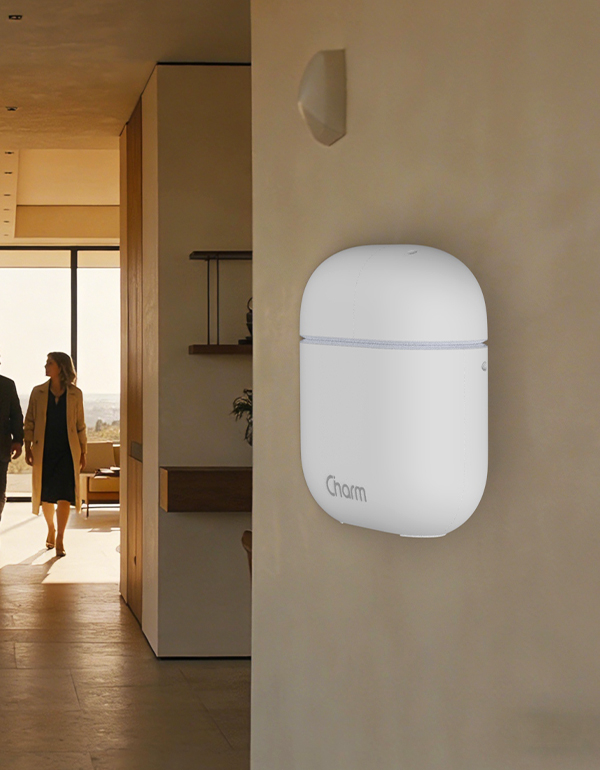
17. Why Consider Guangzhou Changmu Technology Co., Ltd. (CharmAroma)?
Guangzhou Changmu Technology Co., Ltd. (CharmAroma) is a China-based manufacturer specializing in commercial waterless scent machines using two-fluid atomization technology, together with fragrance oils for professional scenting applications.
With eight years of export experience, we understand that overseas buyers need more than a product quotation.
They need a supplier who can help them evaluate product suitability, understand technical differences, and build a reliable supply relationship.
Our Business and Product Focus
Our product range covers different commercial scenting applications, including:
- Compact scent machines for smaller spaces.
- Plastic commercial scent machines.
- Premium aluminum scent machines.
- Metal commercial scent machines.
- Wall-mounted scenting systems.
- Floor-standing scent machines.
- HVAC-integrated scenting solutions.
- Fragrance oils for professional scenting applications.
Our Technical Focus
We pay attention to the engineering factors that influence commercial scent machine performance, including:
- Two-fluid atomization technology.
- Atomization stability.
- Air pump and airflow design.
- Oil-contact material selection.
- PCB and electronic control.
- Noise reduction.
- Leakage prevention.
- Fragrance compatibility.
- Product testing and continuous improvement.
Support for B2B Customers
Depending on the model and project requirements, our cooperation can include:
- Standard wholesale orders.
- Distributor cooperation.
- Logo and packaging customization.
- OEM/ODM development.
- App and control-function customization.
- HVAC scenting project discussions.
- Fragrance oil supply.
- Technical communication and after-sales support.
We do not believe that every buyer needs the same machine or the same supplier arrangement.
A distributor building a standard product line has different requirements from a scent marketing company managing hotel projects or a private-label brand developing a customized fragrance system.
Our goal is to understand the application first and then discuss a suitable solution.
If you are comparing Chinese scent machine manufacturers, we welcome you to share your target market, application, expected order quantity, and customization requirements. Our team can help you evaluate suitable product options and discuss the next steps.
Frequently Asked Questions
How do I find reliable Chinese scent machine suppliers?
Start by identifying whether the supplier is a trading company, assembly factory, R&D-oriented manufacturer, or integrated manufacturer. Then evaluate its engineering capability, atomization technology, material compatibility, quality-control process, product range, OEM/ODM services, and after-sales support. Request samples and verify the supplier before placing a substantial order.
Is it better to buy directly from a Chinese factory?
Buying directly from a factory can provide more direct communication with production and engineering teams. It may also offer more flexibility for customization. However, not every factory has strong R&D or quality-control capabilities. Verify the actual manufacturing arrangements and technical resources before deciding.
What is the difference between a scent machine manufacturer and a trading company?
A manufacturer controls some or all of the product development and manufacturing processes, while a trading company primarily sources and sells products from manufacturers. Some suppliers combine both business models. Buyers should understand who is responsible for engineering, production, testing, and after-sales service.
What should I check when comparing commercial scent machine manufacturers?
Focus on technology, oil-contact materials, atomization performance, PCB reliability, quality control, product consistency, OEM/ODM capability, warranty terms, and spare parts availability. Compare the actual specifications and evidence rather than relying on product photographs or quotations alone.
Are all waterless scent machines the same?
No. Waterless scent machines can differ in atomization structure, air supply, oil delivery, control systems, materials, output performance, and maintenance requirements. Buyers should compare the engineering and test information behind each product.
Can Chinese scent machine manufacturers provide OEM and ODM services?
Some manufacturers offer OEM and ODM services, but the available scope varies. Standard options may include logo and packaging customization, while more advanced projects may involve housing design, structural changes, PCB development, firmware, and app customization. Confirm MOQ, development costs, tooling ownership, and sample approval procedures.
How can I evaluate the quality of a scent machine before a bulk order?
Request samples and evaluate construction, atomization performance, noise, electronic functions, oil compatibility, leakage, operating stability, and maintenance requirements. For important projects, agree on a defined test period and acceptance criteria before mass production.
Why is material compatibility important for fragrance machines?
Fragrance oils contain different ingredients that may affect unsuitable plastics, rubber, seals, tubing, or metal components. Poor compatibility can contribute to swelling, cracking, leakage, and performance problems. Ask the supplier which materials contact the oil and how compatibility is evaluated.
What warranty should I expect from a Chinese scent machine supplier?
Warranty policies vary by supplier and product. Compare the warranty period, start date, covered components, exclusions, repair process, replacement-part policy, and shipping responsibilities. Always request written terms before placing an order.
Should I choose a supplier that also sells fragrance oils?
It may be beneficial if your business needs both equipment and fragrance. An integrated supplier can make coordination easier and help discuss machine and oil compatibility. However, evaluate the fragrance quality, documentation, consistency, and supply capacity separately from the machine quality.
How many samples should I order before a bulk purchase?
There is no universal number. The appropriate sample quantity depends on the product, order size, application, and evaluation requirements. For a new product or OEM project, buyers should agree on sample approval criteria and verify that the approved sample matches the specifications for mass production.
Key Takeaway
Choosing the right Chinese scent machine supplier is a long-term business decision, not simply a price comparison.
For distributors, scent marketing companies, wholesalers, and private-label brands, remember these principles:
- Verify the supplier’s actual manufacturing role. Understand whether it is a trading company, assembly factory, R&D-oriented manufacturer, or integrated manufacturer.
- Evaluate R&D capabilities. Look for engineering resources that can investigate and improve product performance.
- Compare atomization technology. Do not assume that machines with similar appearances or technology labels perform identically.
- Check material compatibility. Oil-contact materials are critical for commercial equipment.
- Review the quality-control process. Ask about incoming inspection, PCB testing, assembly checks, finished-product testing, and reliability evaluation.
- Understand electronic control. Confirm the actual app, WiFi, Bluetooth, 4G, and PC functions supported by each model.
- Evaluate OEM/ODM capabilities. Confirm customization scope, MOQ, development costs, tooling, and ownership terms.
- Consider fragrance supply. An integrated equipment and fragrance supplier may simplify purchasing and project coordination.
- Compare after-sales support. Review warranty terms, spare parts availability, and troubleshooting procedures.
- Test before bulk purchasing. Samples provide a better basis for evaluating the product than brochures alone.
- Calculate total cost of ownership. Consider installation, fragrance, maintenance, spare parts, and potential downtime—not just the initial unit price.
- Choose a partner that understands your business. Technical capability, communication, and long-term cooperation matter.
At Guangzhou Changmu Technology Co., Ltd. (CharmAroma), our eight years of export experience have reinforced one important lesson:
A good scent machine supplier should not only sell you a machine. It should understand the technology, the materials, the application, and the business behind the product.
When comparing Chinese scent machine suppliers, look beyond the quotation. Evaluate what each manufacturer can actually deliver, how it handles problems, and whether it can support your business as your market grows.
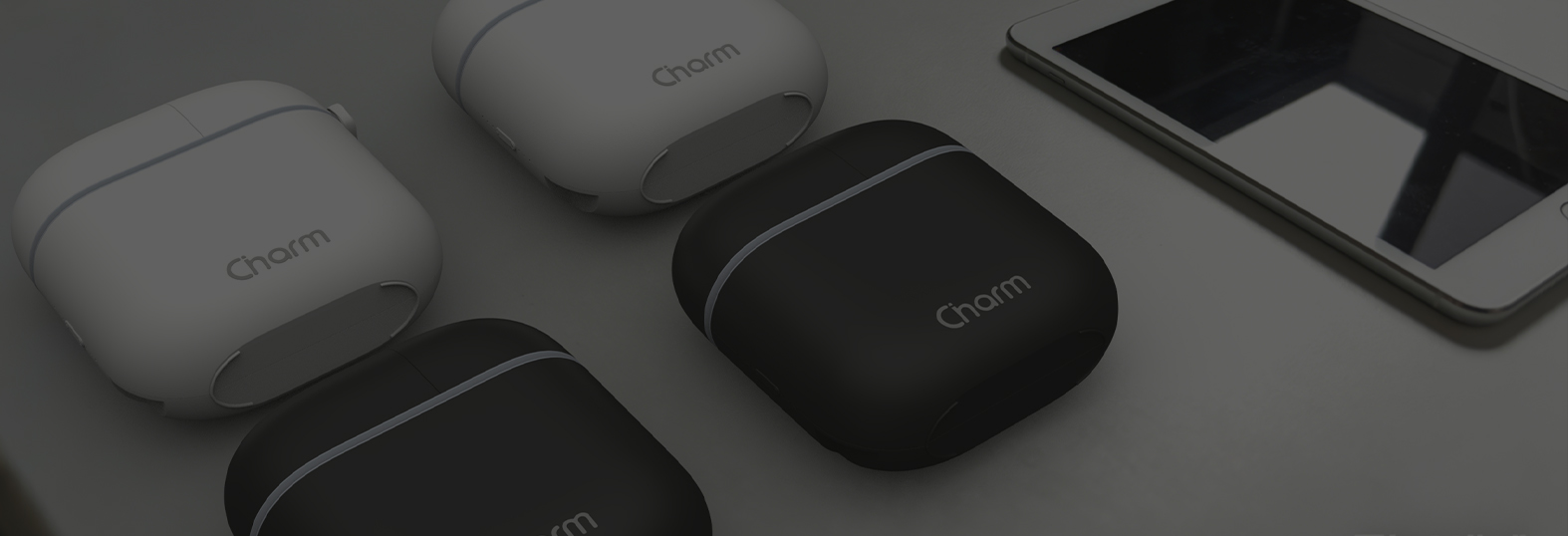
charm factory
Over 8 years experience in the waterless heatless scent machine , light up all our wholesale customers' business.


